Showing posts with label ASD. Show all posts

Thursday, 24 October 2024

ADHD and ASD

Information and advice on ADHD and Autism.

Please talk to your child's teacher if you feel your child's needs and behaviours may indicate ADHD and/ or Autism. The Inclusion Team are available if you would like more information and advice.

ADHD 

https://www.youtube.com/watch?v=YeamHE6Kank

ADHD simulator- adult

https://youtube.com/watch?v=NEmvNcfkdAg&si=0Eoc3uEZBsk-ZRQi

Signs and symptoms

https://www.nhs.uk/conditions/attention-deficit-hyperactivity-disorder-adhd/symptoms/

What you can do to support your child with ADHD

https://www.youngminds.org.uk/parent/parents-a-z-mental-health-guide/adhd/#WhatyoucandotosupportyourchildwithADHD


ASD simulator- child


Signs and symptoms


What you can do to support your child with Austism


Friday, 2 April 2021

Today is World Autism Awareness Day

This year the theme is: Challenges and Opportunities in a Post-Pandemic World.


World Autism Awareness Day was established in 2007 by the United Nations General Assembly.

The aim is to increase awareness about autism, to help people develop knowledge about autism and deliver information on how important it is to detect an early diagnosis.

Autism affects both boys and girls, of all races, in all countries around the world. It is immensely common, which is why raising awareness of autism is essential.

Ways everyone can celebrate- 

  • Truly reflect to see how you can support people with autism in a way that changes lives.
  • Develop your understanding of autism and help to spread awareness in your communities.
  • Support a family you know whose child has autism.
  • Getting involved in events run by autism communities.
  • Listening to people you know who have autism about what it means to them.
  • Engaging in discussions with your children so that they become aware and accepting of their similarities and differences.
One way to develop your own knowledge and understanding is to watch these videos from young people explaining what it can be like to be autistic.


Tuesday, 16 March 2021

Parent/ carer support

GREENLIGHTS Weekly Meet ups

The Greenlights Project is a free support service for families who are experiencing behavioural issues with a child with additional needs.

EVERY Thursday mornings at 10am
A great opportunity to meet with other parents/carers who may be in similar situations as you. 
We all have different experiences but we can come together to build each other up. 

Thursday mornings - 10am- 11am


Monthly Workshops
Join us as we dive into another NVR Parenting tool each month. Connection before Correction- easy to say, difficult to follow through... without the right tools. So come and learn them!

This is a free event but registration is mandatory - there is a limit to numbers!

April 22 - Self- Care & Supporters
May 20- Announcements
June 17- Siblings


Friday, 29 May 2020

Parent Support Group

For parents/ carers with children with additional needs such as ASD, ADHD or Global Developmental Delay, this is an open format that allows for parents and carers to come with questions, challenges and successes to share with the group. 
It gives parents/carers a chance to speak with each other in an open, safe space.

Friday, 17 April 2020

Tips for supporting autistic children at home during the coronavirus lockdown.


Below is a link to a paper that has been written, titled -

'Handle the Autism Spectrum Condition During Coronavirus (COVID-19) Stay At Home period: Ten Tips for Helping Parents and Caregivers of Young Children'


Many of these tips would support ALL of our children, such as- 


  • Explain to your child what COVID-19 is  (see the social stories shared on this blog).
  • Structure Daily Life Activities.  
  • Semi-Structured Play Activities. 
  • Use of Serious Games. 
  • Implement and Share Special Interests. 
  • Leave Spare Time.

Wednesday, 15 April 2020

PEOPLE WITH AUTISM OR LEARNING DISABILITIES NOW ALLOWED TO GO OUT MORE THAN ONCE A DAY.

Updated government guidance now says-

"You can leave your home for medical need. If you (or a person in your care) have a specific health condition that requires you to leave the home to maintain your health - including if that involves travel beyond your local area - then you can do so. This could, for example, include where individuals with learning disabilities or autism require specific exercise in an open space two or three times each day - ideally in line with a care plan agreed with a medical professional.
Even in such cases, in order to reduce the spread of infection and protect those exercising, travel outside of the home should be limited, as close to your local area as possible, and you should remain at least 2 metres apart from anyone who is not a member of your household or a carer at all times."

More information in these articles- 


Friday, 3 April 2020

Supporting children with Special Educational Needs.

Special Needs Children in Developing Countries - BORGENImage: Borgen Magazine

Below is a large variety of resources, activities, tips and advice that support children with additional needs. However, most of these would also help all children, in one way or another. So everyone, please have a look through, you never know what you might find. 


Take a look at all the resources and ideas on this schools website. They have organised them into the following categories-

  • Cognition and Learning
  • Communication and Understanding
  • Sensory and Physical
  • Social, emotional and well being
  • EYFS SEND
  • General
  • SALT - Speech and Language suggestions and ideas


'Easy-to-Use Calming Strategies for Autism' A short 5 minute video.
https://www.youtube.com/watch?v=13DiS7cPgX0


Follow this link to see a thorough powerpoint from the Children’s Occupational Therapy Team in Guernsey. 
https://www.gov.gg/CHttpHandler.ashx?id=107388&p=0
There are suggestions to support children that can struggle in many areas e.g. brushing hair, noise, eating, bedtime and touching.


SENSORIMOTOR ACTIVITIES TO SUPPORT ACTIVE CHILDREN
MANY CHILDREN ENJOY SENSORY EXPLORATION. THESE ACTIVITIES ARE HANDS-ON FUN WITH YOUR CHILD, SO EXPECT TO GET ACTIVE WITH THEM! CHOOSE ACTIVITIES THAT INTRODUCE MULTI-TASKING: GROSS MOTOR AND COGNITIVE OR SOCIAL CHALLENGES. INVOLVE SIBLINGS TO CHALLENGE PROBLEM SOLVING AND SOCIAL SKILLS TOO.
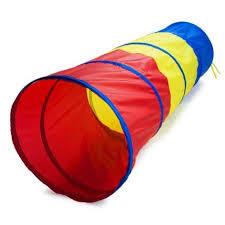
sensory tunnel1) CRAWLING THROUGH A TUNNEL- CRAWLING OFFERS GREAT PROPRIOCEPTIVE INPUT THAT IS CALMING AND ORGANIZING FOR ACTIVE LITTLE BODIES. CHOOSE A REGULAR TUNNELOR A LYCRA TUNNEL FOR HIDE-AND-SEEK ACTIVITIES IN A MULTISENSORY WAY! ADD PIECES OF A SIMPLE PUZZLE AND CRAWL THROUGH TO PUT THEM IN THE BOARD ONE AT A TIME TO ADD SOME MOVEMENT TO SIMPLE GAMES. 

2) ANIMAL WALKS- GRAB A SKIPPING ROPE AND TURN IT INTO A LIMBO ROPE TO IMITATE BASIC ANIMAL WALKS UNDER IT - BRING ON YOUR BEST “BEAR WALK” OR “SLITHERING SNAKE” - YOUR CHILD WILL BE DEVELOPING MOTOR SKILLS AND LEARNING HOW TO MOVE THEIR BODY IN NEW WAYS.IF THEY’RE PARTICULARLY ACTIVE, TRY SHAKING THE ROPE LOW TO THE GROUND AND SEE IF THEY CAN JUMP, STEP, OR WALK OVER IT WITHOUT TOUCHING THE “SNAKE!”

Messy monkey event | Snuggles Day Nursery3) PLAYING WITH TEXTURES- “FINGER PAINTING” WITH SAND, RICE, ACTUAL FINGER PAINTS, BEANS, BIRDSEED, CLOUD DOUGH AND NOODLES, MAKE FOR HANDS-ON FUN TO DRAW SHAPES, EXPLORE TEXTURES, AND DEVELOP EARLY VISUAL MOTOR SKILLS. THESE ACTIVITIES ARE GREAT FOR KIDS WHO LIKE TO TOUCH AND SEEK OUT TACTILE SENSORY INPUT. ADD A SMELL OR TASTE COMPONENT TO THE FINGER PAINTING TO OFFER ADDITIONAL SENSORY STIMULATION. YOU CAN ALSO TRY USING- SHAVING CREAM, WATER, ICE. ALSO BLOWING USING- VARIOUS WHISTLES AND NOISE MAKERS, BUBBLES OR PINWHEELS. 

4) JUMPING- MANY CHILDREN TAKE A WHILE TO MASTER JUMPING WITH 2 FEET BY THEMSELVES, BUT TAKE HOLD OF THEIR HANDS AND PRACTICE ON A BOUNCY MATTRESS, SOFT COUCH, OR MINI TRAMPOLINE.PUT ON SOME MUSIC AND DO THE FREEZE DANCE - JUMPING STYLE! TRY AND JUMP FOR A WHOLE SONG - A NURSERY RHYME OR KIDS’ SONG WILL CHALLENGE THEIR ENDURANCE FOR LONGER LASTING INPUT.

5) BALLOON TAPPING- WHETHER THEY’RE HITTING A BALLOON WITH THEIR HANDS OR A STYROFOAM PADDLE, KIDS ARE CHALLENGING THEIR VESTIBULAR, BALANCE, AND VISUAL MOTOR SKILLS TO KEEP THE BALLOONS FROM HITTING THE GROUND. EVERY TIME THEY BEND DOWN TO PICK UP THE BALLOON OR LOOKS UP AT THE BALLOON IN THE AIR, YOUR CHILD IS CHANGING THEIR HEAD POSITION - WHICH MEANS AN EXTRA DOSE OF VESTIBULAR STIMULATION! TRY BATTING THE BALLOON WITH AN ADULT OR GIVE KIDS A PADDLE FOR AN EXTRA CHALLENGE OR TWO!
scooter board
6) SCOOTER BOARD- IF YOU’RE LUCKY ENOUGH TO HAVE A PLAYROOM, DEDICATED KID-ZONE, GARAGE SPACE OR BACK YARD, A SCOOTER IS A PLAY FAVORITE. KIDS CAN CREATE OBSTACLE COURSES, RACE SIBLINGS ON A CHALK-DRAWN TRACK, OR ZOOM LIKE A ROCKET SHIP!ON BELLIES, ON KNEES, OR EVEN ON THEIR BACKS, KIDS CAN MEET THEIR VESTIBULAR AND PROPRIOCEPTIVE NEEDS WHILE WORKING ON UPPER BODY AND CORE STRENGTH.
Harkla Sensory Swing
7) SENSORY SWING- IF YOU’VE GOT A DOORWAY, YOU CAN INSTALL THIS INDOOR SWING FOR THE KIDS WHO NEED A STRONGER DOSE OF VESTIBULAR INPUT ON A MORE REGULAR BASIS! 

8) EXERCISE BALL- ONE OF THE VERSATILE FAVORITES (BUT REQUIRES ADULT SUPERVISION) IS AN EXERCISE BALL. BOUNCE THEM ON IT AND SING A SONG, ROLL THEM OVER IT ON THEIR BELLIES TO PUT TOGETHER A PUZZLE, ROLL UPSIDE-DOWN TO PICK UP BLOCKS, SQUISH THEM UNDERNEATH TO MAKE A KID SANDWICH, OR PUSH IT THROUGH A TUNNEL! IF YOU HAVE A HIPPITY HOP, KIDS CAN JUMP THEMSELVES TOO! THE POSSIBILITIES ARE ENDLESS BUT REMEMBER THAT AN ADULT NEEDS TO SUPERVISE THIS ACTIVITY.
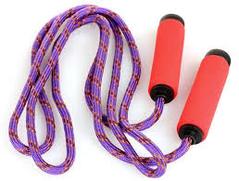
Jump Rope9) SKIPPING- USE YOUR SKIPPING ROPE FOR SOME JUMPING GAMES - CAN YOU JUMP SIDE TO SIDE? ZIG ZAG? BUNNY HOP ACROSS? UP AND BACK?FOR MORE JUMP ROPE GAMES, CHECK OUT THIS LIST FROM THE INSPIRED TREEHOUSE. IF YOUR CHILD ISN'T READY FOR A JUMP ROPE, TRY THE SAME GAMES WITH A HULA HOOP!

10) TRAMPOLINE- IF YOU HAVE A MINI TRAMPOLINE, THEY CAN USE IT TO JUMP AND CATCH/THROW, JUMP AND CRASH INTO SOFT PILLOWS OR BEAN BAG CHAIR, AND JUMP FOR SUSTAINED AMOUNTS OF TIME.JUMPING IS A GREAT WAY TO GET VESTIBULAR AND PROPRIOCEPTIVE INPUT WHILE ALSO BUILDING ENDURANCE. IF YOUR MINI TRAMPOLINE HAS A HANDLE, BE MINDFUL OF VERY ACTIVE JUMPERS AS THEY MAY EASILY FLIP THE TRAMPOLINE AS THEY GET BIGGER AND MORE COMPETENT.

11) PHYSICAL FEEDBACK- Scratching their back vigorously for a few minutes. Spinning (***a very intense sensory experience, best for kids to spin themselves even if they love spinning. Be very cautious of spinning a child, and only do so a few times in both directions. This is important because it will help balance out their system.)You could use- swing, swivel chair, while standing or sit and spin.

12) MASSAGE- KNEADING playdough or therapy putty. Handling fidget toys (a wide variety of options). Squeezing a stress ball can be very calming and reduce anxiety for kids. A great activity to include in a sensory diet. Koosh balls, stress balls, squishing and squeezing, hugs, squeezing into tight spots or behind furniture, wrapping up tightly in blanket, sleeping in stretchy sheets that are tucked in on sides, laying under a large yoga ball. 

13) CALMING AND SOUND- Listening to rhythmic or soft music, wearing noise cancelling headphones, watching slow moving or soothing images, fish tank, lava lamp, slow changing lights, drinking something warm, sucking on a piece of hard candy or a lozenge, slow rocking, rocking chair or hammock.
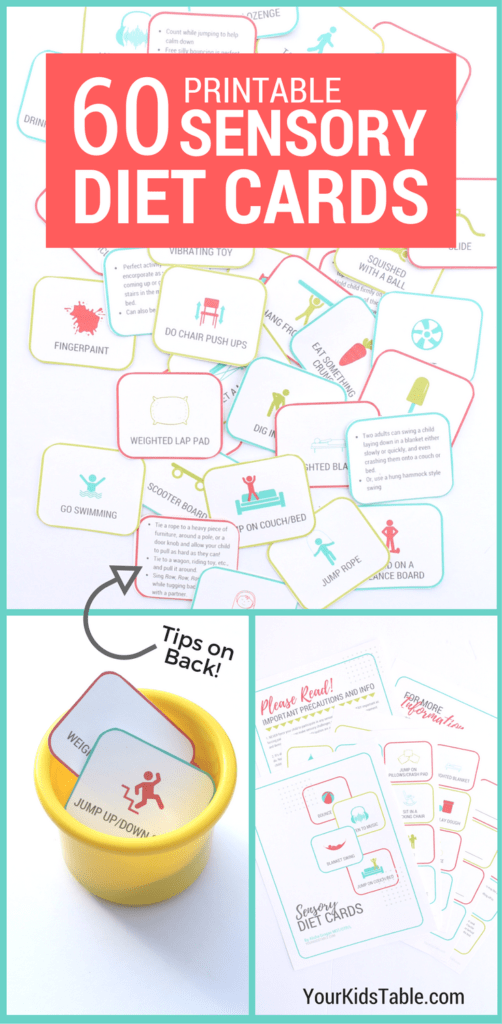
Sensory diet cards are an amazing tool to help kids improve their attention, communication, and more! Learn how to use them and print your own set. #sensoryprocessing #sensoryissues #sensoryfun14) VIBRATION- (is calming rather than alerting when used for longer periods of time) Handheld massagers, Vibrating cushions/pillows, electric toothbrushes and chewable toys.

https://yourkidstable.com/sensory-diet-activities/


SENSORY DIET CARDS

https://yourkidstable.com/sensory-diet-cards/


Monday, 30 March 2020

Looking after your mental health and wellbeing - 4


'A guide to anxiety for kids'
https://www.youtube.com/watch?v=FfSbWc3O_5M

'What causes anxiety and depression - Inside Out'


Below are some tips from 'helpguide.org' aimed primarily at children with autism, however they are tips that all children benefit from, especially at the moment. 


Provide structure and safety

Be consistent. 
Stick to a schedule. 
Reward good behaviour. 
Create a home safety zone. 

Find different ways to connect

Look for nonverbal cues. 
Figure out the motivation behind the 'tantrum.' 
Make time for fun. 
Pay attention to your child’s sensory sensitivities. 

Something fun, quiet, calming and therapeutic everyone in the house could do- shadow drawing. Whether the sun is shining, or you use a lamp.


Monday, 24 April 2017

Ear Defenders

Ear Defenders

Children (and adults) with autism or sensory processing disorders often have a hard time in noisy environments. Background noise can be a nuisance and interrupt concentration and focus, and sudden loud noises can cause stress and anxiety for those who are hypersensitive to noise for any reason. Sometimes particular sounds or frequencies can even cause acute pain for those who have hyperacusis.
Listening to music through earplugs can give children control over external noise that they may find problematic. Using noise cancelling headphones, or Ear Defenders, can help children to block out unwanted noise, while still being able to hear normal conversations, and so maintaining concentration in class without excess noise causing anxiety.
Some examples of when Ear Defenders may be helpful during the school day are:
  • During singing assembly
  • When the fire alarm is tested
  • Music lessons
  • The lunch hall
  • On a school trip, using public transport
  • Plays and performances
  • Sports day
  • To cancel out external noises, such as nearby building works
  • And many more examples!
Bannockburn has recently received a hugely beneficial donation of enough ear defenders for one set in each class from Nursery through to Year 6, from the company Ems for Kids who were incredibly helpful in supporting us and providing the ear defenders at no cost to the school. We will be sending home brochures from Ems for Kids (please check your child's book-bag) for you to see their whole product range, as well as discount vouchers if you choose to order items for use at home.
We are delighted to have the Ear Defenders now readily available in each classroom, for any pupil to use at times when they might experience difficulties with noise.

Friday, 31 March 2017

World Autism Awareness Week

World Autism Awareness Week
27th March-2nd April 2017
World Autism Awareness Week (WAAW) is celebrated every year around the globe, as a way of increasing awareness of Autism Spectrum Disorders, and helping everybody to understand what this means. 
At Bannockburn, we have marked the occasion by holding special assemblies in each class to explain what autism is and for children to have time to discuss and ask questions.
One of the pieces of information shared with children was about statistics and how it is more than likely that children will have others within their class who are autistic.
•Over 1 in every 100 people are on the autism spectrum, which means there are around 140,000 school age children in the UK on the spectrum.
•Of these 140,000 children, the vast majority attend mainstream schools, which means that most children will have at least one autistic classmate during their time at school.

We have also encouraged staff around the school to think about autism and to create a working wall in each staffroom to share ideas, book recommendations, and useful links.
Some links which you might find helpful at home to learn more about autism and ASD are:
If you would like to find out more please come and speak to one of the Inclusion Team.