Showing posts with label Scientists. Show all posts

Sunday, 4 July 2021

Investigating Circuits in Year 4

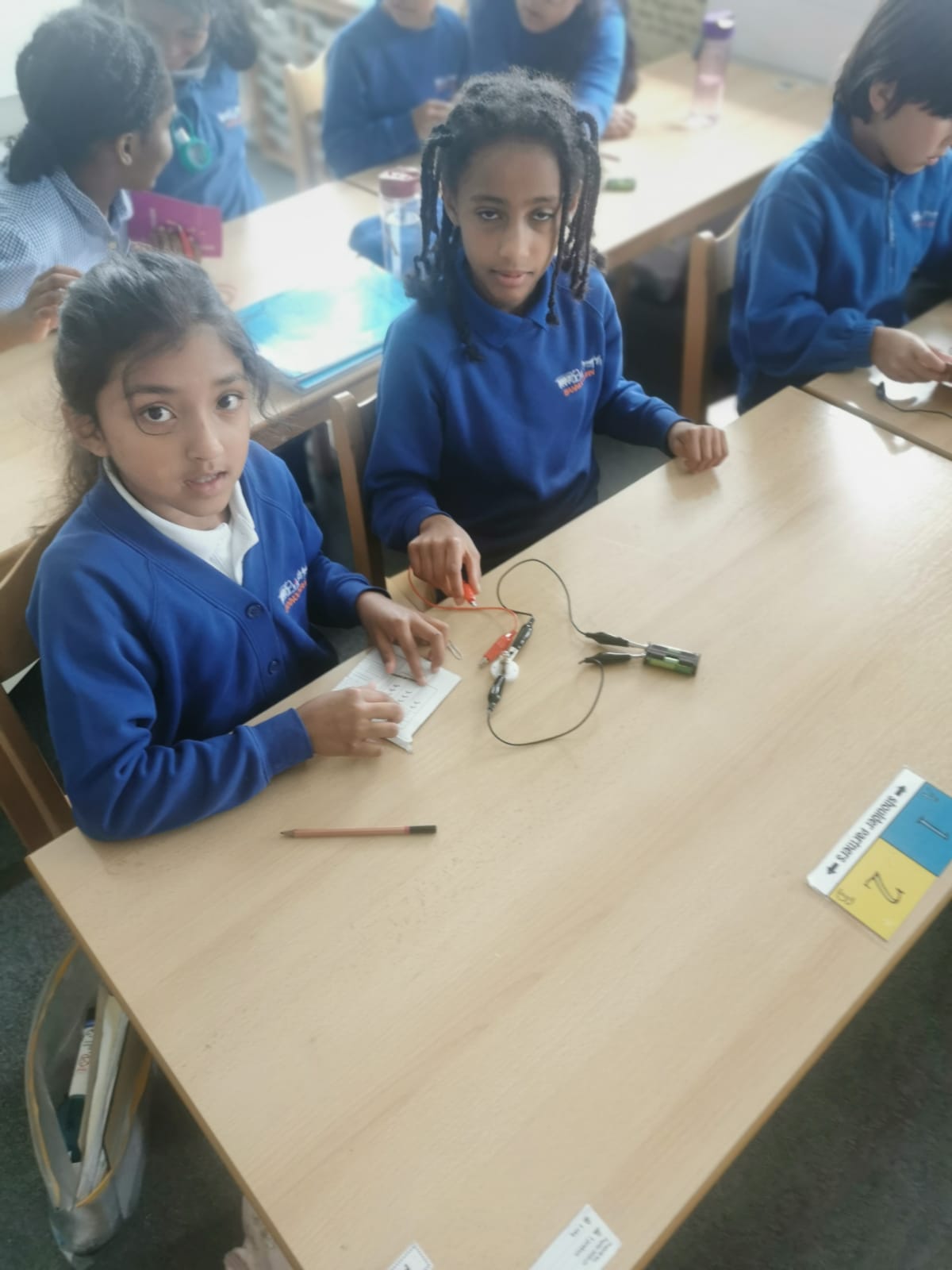
Year 4 Poplar Class have enjoyed learning about electricity this half term. We first learnt about mains and batteries, locating objects which use each type of electricity. Then we used different components to create our own electrical circuits. Next week, we will be investigating conductors and insulators. 


Saturday, 13 June 2020

Year One - First Week back at School

Year One Learning

Some of the children in Year One have been back at school this week. Below are some pictures of the things that they have been up to. 

 Practising our addition skills in our Maths lesson.

 Working on forming our capital letters correctly in handwriting. 

 Sorting and classifying animals in Science. 


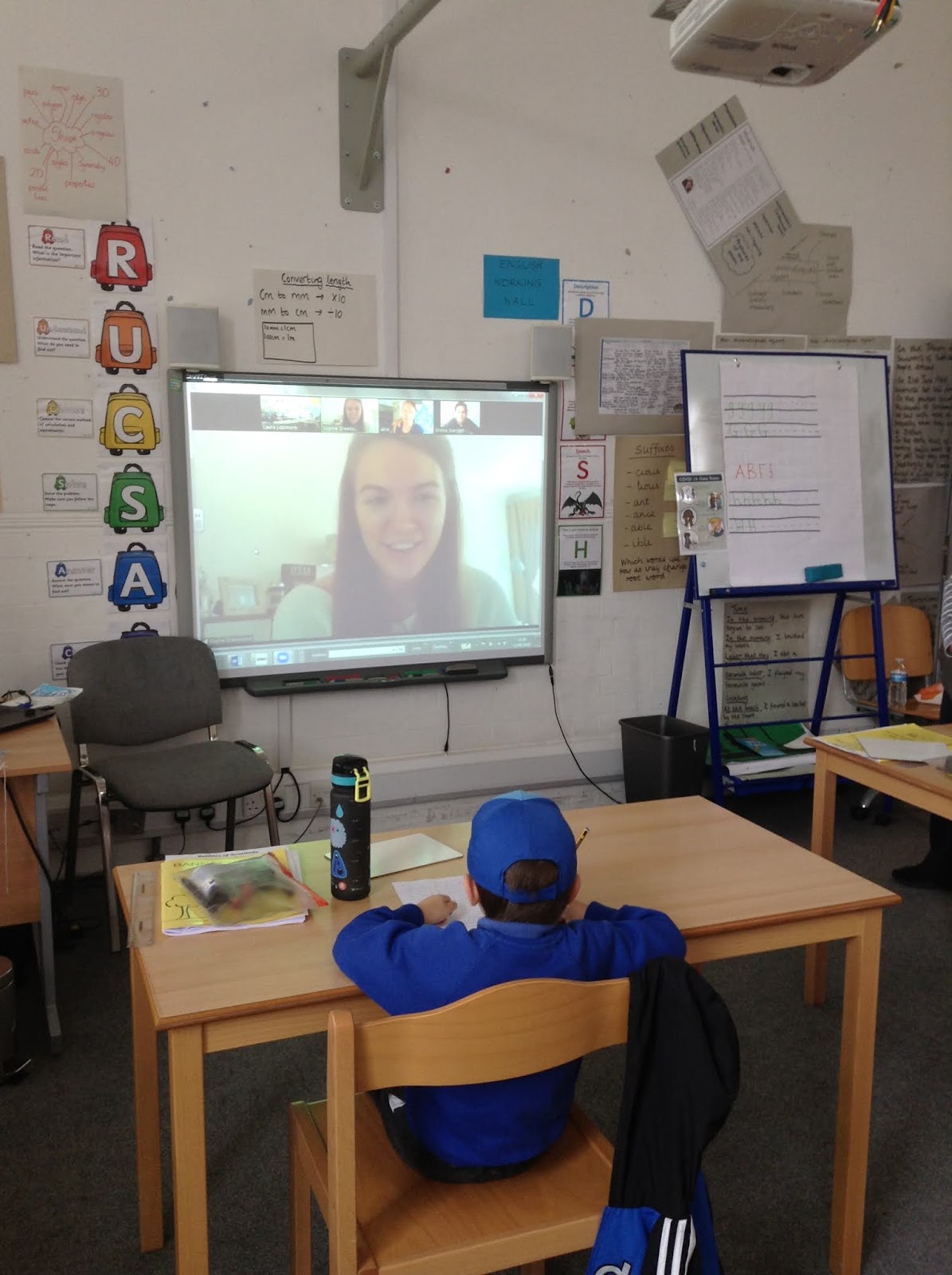
 Having a Zoom call with our teachers who aren't back in school yet. We really miss them. 


 Mrs Sammarco introduced us to her pet Bearded Dragon called Boxer. 

Whether your at home or at school please stay safe and remember we love to see what you've been doing. 

We miss you all, 
From
Mrs Lizzimore, Miss Greenwood, Mrs Sammarco and Miss Stannett-Daborn 

Thursday, 6 December 2018

Super Scientists!

As part of our science topic, Light and Shadows, Year 3 have been investigating which materials would be the best for keeping us safe and visible at night time!

We tested a range of materials to see if they were reflective or not. Some materials we tested were not great; others were reflecting the light back or scattering the light in different directions. This meant these materials would be better at helping us to be visible at night time!

We ordered the materials from most reflective to least and made a decision on which to use for our new high-viz jackets! We also had lots of fun being scientists and designers!


Friday, 9 November 2018

Year 6 Scientists

What a BRILLIANT Friday!

Year 6 have really enjoyed their morning's learning- today we spent the morning being scientists. We needed to solve a problem: the space scientists at NASA want to keep a pet hamster on their next flight but so far, they haven't been able to identify a suitable hamster bedding- they keep experiencing leaks!

We started by considering the desirable properties of the material and thought about how we could test a range of materials to enable us to compare these properties. Using our developing knowledge of fair testing, we worked as small research teams to plan and carry out investigations to test which materials were the most absorbent.

Some of our methods worked better than others! We learned a lot about fair testing and making some mistakes was useful- we considered our results to evaluate their reliability and repeatability and identified some ways we could improve or extend our investigations.

Keep an eye out for our photos so you can see us in action!

"This investigation was really fun- my favourite part was when my team used the pipettes to squirt water onto the nappy material samples!"

"I thoroughly enjoyed today's lesson: it was different and we were able to collaborate with other students. This lesson helped me to listen to other people- it was great!"

"I really enjoyed today's investigation because it made me realise what I could do better and improve. also, I was able to collaborate with different people and it made me feel like a real scientist!"

"I found the experiment fun today- we conducted the whole experiment from beginning to end in one morning. Working as a group had a big impact on the work; everyone was able to do something related to the task. We got to a very satisfying conclusion as well!"

Wednesday, 22 March 2017

Mini Scientists in 'Hawchard' (Orchard and Hawthorn) Aim to Recover Materials!

Orchard and Hawthorn join together again for Part 2 of our Science investigation. 
Last week, we focused on mixing materials and creating solutions; although this week we investigated how we could recover these materials using evaporation, filtration and sieving.


We were given a sieve, filter paper, a colander and a saucepan! We had to work together to investigate which of these were suitable to separate:

- coffee & water
- sugar & water 
- salt & water
- rice & water
- sand & water 


After we had tested evaporation, filtration and sieving, we concluded which were the most suitable and fastest to separate soluble and insoluble materials. 

It was great fun testing these different separation methods and enabled us to identify whether these were reversible or irreversible changes. 


Can you predict which separation method worked best for our materials?